- Fungus gnats thrive in damp potting soil, laying eggs that develop into larvae feeding on fungi and organic matter.
- Reduce soil moisture, avoid overwatering, ensure proper drainage, and let the soil dry between waterings to kill eggs.
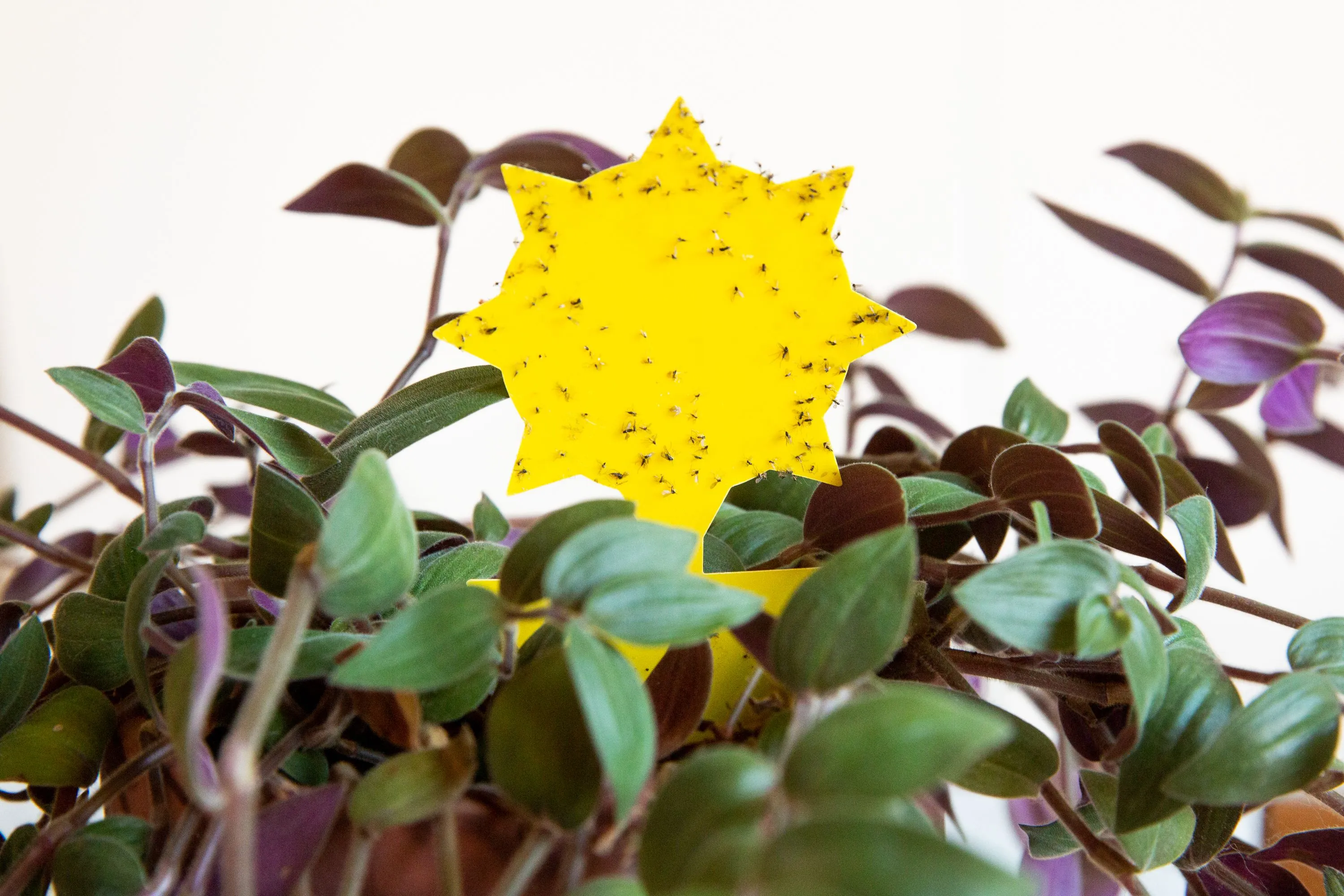
- Use apple cider vinegar traps or sticky traps to catch adult gnats, and inspect plants before bringing them indoors.
Nearly everyone with indoor greenery has encountered fungus gnats in plants at one time or another. These tiny flies, about 1/8-inch long, are drawn to moist potting soil and decaying leaves on the soil’s surface around houseplants. If you spot one up close, you’ll notice that they look a little like tiny mosquitoes (but they don’t bite). Even though they don’t cause much harm to plants, you’ll want to know how to get rid of fungus gnats because—well—who wants tiny bugs flying around the house?
Luckily, there are ways you can make houseplants less welcoming for fungus gnats so they don’t show up in the first place, and if they’ve already moved in, here’s how to get rid of them.
How to Spot Fungus Gnats in Plants
You’ll find fungus gnats in damp potting soil where they prefer to lay their eggs. These eggs develop into larvae that feed on soil fungi, giving them their name. The larvae are about 1/4-inch long, with noticeable shiny black heads and elongated, whitish-transparent bodies. In addition to fungi, they consume organic matter and can occasionally nibble on plant roots or seedlings.
A slime trail resembling traces of slugs or snails across the top of the soil is another telltale sign of fungus gnats in plants. These insects also like light, so you may notice them on your windows, especially if houseplants are nearby.
Related
How to Get Rid of Fungus Gnats
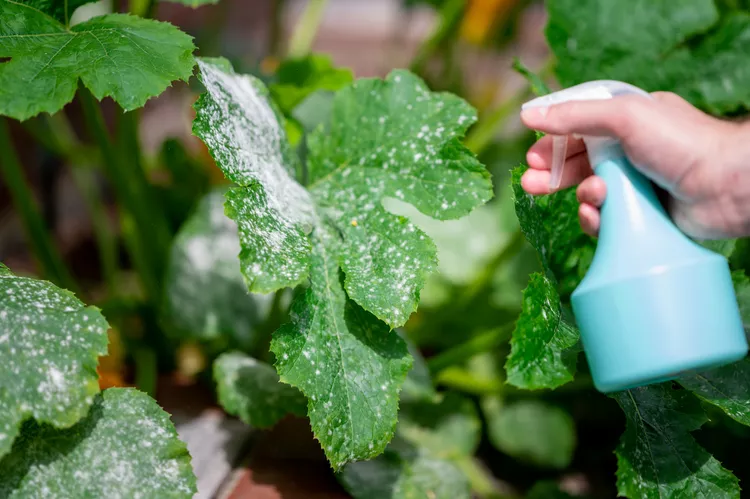
As soon as you notice gnats in your plants, it’s time to address the issue. Spraying adult fungus gnats is a short-term solution that is only temporary. The real culprit is the larvae in the soil, as they are the source of future gnats.
Dry Out the Soil
To combat gnats, reducing soil moisture is key, as they lay eggs in damp conditions. Avoid overwatering your houseplants and ensure they have proper drainage. Let the soil dry somewhat between waterings, so that constant moisture isn’t present, but not to the point of wilting. Dry soil typically kills eggs and larvae. Also, be sure to empty any water collected in saucers.
Keep the topsoil dry by bottom watering your potted plants—this technique prevents the soil from attracting gnats. You can also apply a layer of sand on the soil surface.
Use Apple Cider Vinegar
A non-toxic method to tackle fungus gnats is using apple cider vinegar as bait. Mix a few tablespoons of apple cider vinegar with a couple of drops of mild dish soap in a small container. Cover it with plastic wrap and poke a few holes on top. The scent will attract the gnats, trapping them underneath the plastic, where they eventually drown.
Set Sticky Traps
If drying the soil and using apple cider vinegar don’t work, consider using sticky traps like BioCare Gnat Stix. Position these traps near your plants to catch adult gnats and reduce egg laying. The traps shouldn’t touch the plant leaves. Check them every few days and replace when full. With regular monitoring, you can eliminate the gnat problem.
Check Plants You Bring Home
Fungus gnats often become more noticeable in the fall, especially when houseplants are brought indoors for winter. Before moving plants inside, carefully inspect them to confirm they are insect-free. If you’re purchasing new plants, check for any insect infestations. Using fresh potting mix when planting or repotting is always recommended.
Frequently Asked Questions
- Can fungus gnats damage plants?
Fungus gnats are more of a nuisance than a serious threat to plants. However, a large number of larvae can significantly damage plants’ roots, particularly if the plant is young or already not at its healthiest.
- Does cinnamon get rid of fungus gnats?
Some gardeners swear that sprinkling cinnamon over the soil—sometimes in conjunction with a cooled brew of chamomile tea—can ward off fungus gnats. While these two ingredients are natural fungicides, they are rarely enough on their own to get rid of an infestation.
- Do fungus gnats cause a problem for outdoor plants too?
While you may occasionally spot fungus gnats around outdoor plants, they’re not typically a major problem in the garden. Natural predators and weather changes make the outdoors less hospitable to these pests than indoor plants.
- <span>Gardening</span>
- <span>Houseplants</span>
- <span>Caring for Houseplants</span>